
Brush and undergrowth removal
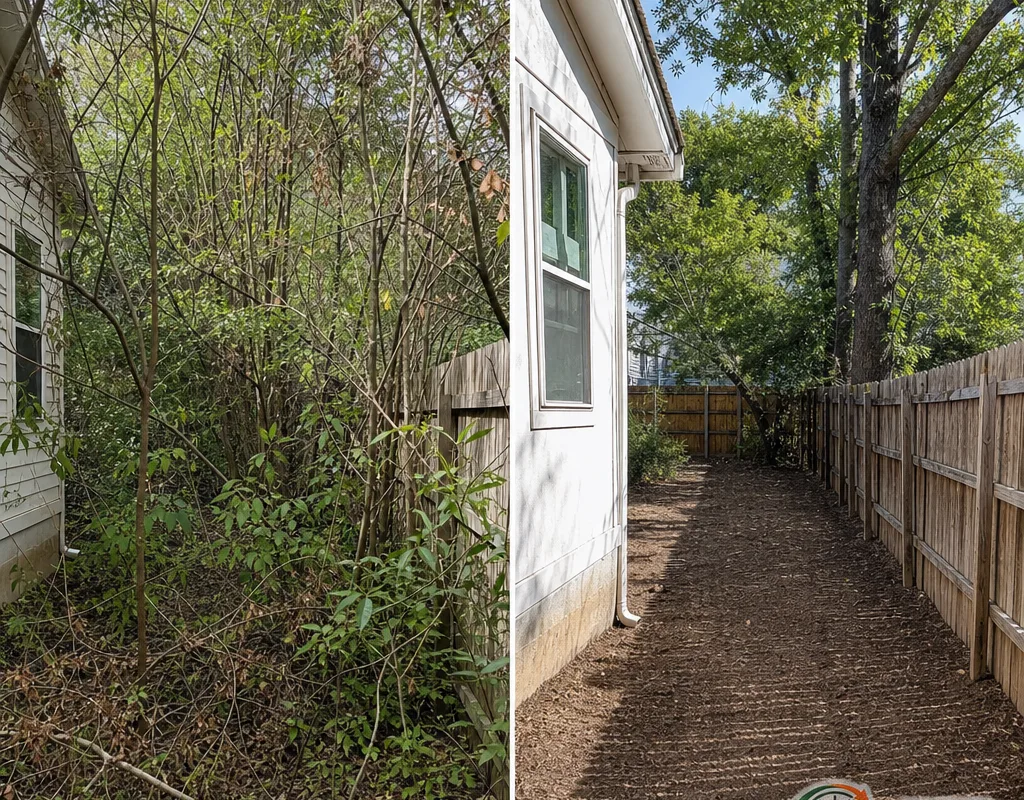
Cutting and removing brush, vines, and volunteer growth to open up the property and reduce fire and pest habitat. We can clear to a clean line while protecting trees and features you want to keep.
Serving San Antonio, Texas & surrounding areas
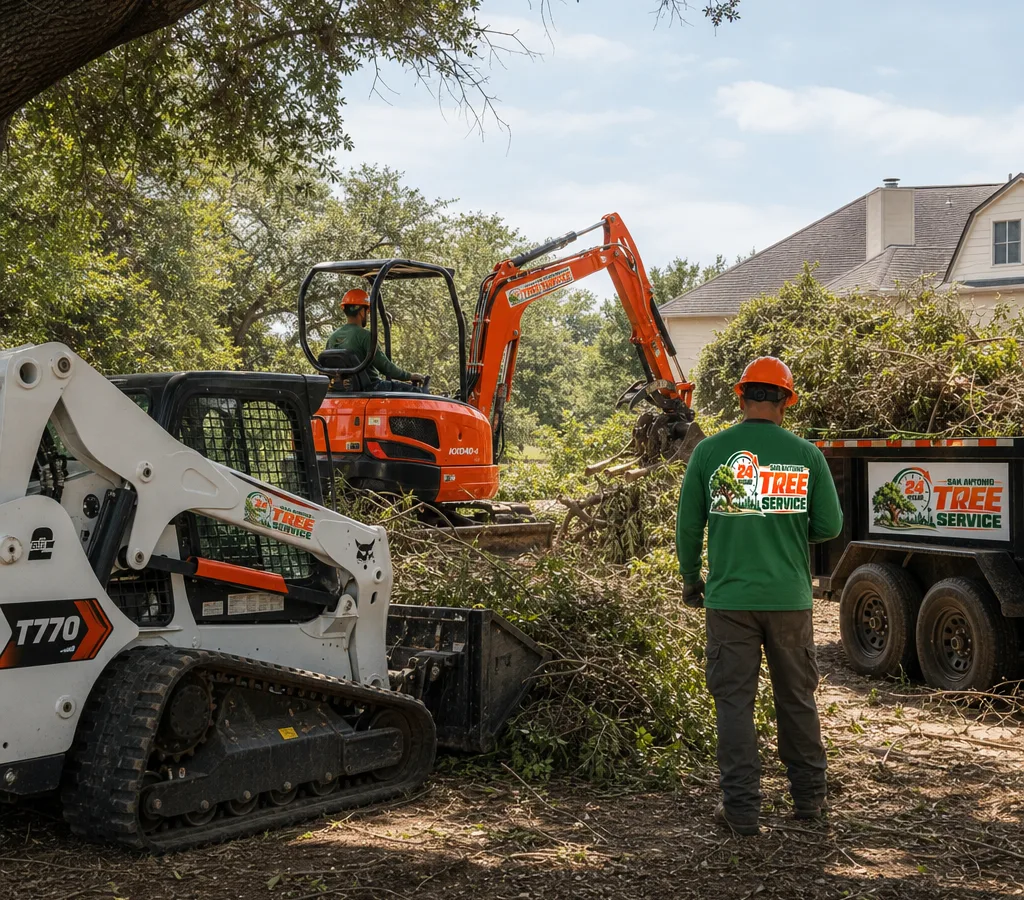
Land Clearing Service · San Antonio, Texas
Clear lots, brush, and trees with the right equipment and a written scope. We handle access, safety, and haul-off so your site is ready for the next step.
✓On-Site Walkthrough
✓Written Scope
✓Controlled Clearing
✓Debris Haul-Off
Site Prep Without the Added Mess
If you are searching for land clearing San Antonio property owners can schedule quickly, you are usually trying to solve one problem: make the site usable without creating a bigger mess, damaging what should stay, or running into access and safety issues.
Our crew at 24 Hour Tree Service San Antonio clears residential and commercial properties across the San Antonio area for site prep, fence lines, building pads, and general cleanup. We remove brush, saplings, downed material, and problem trees, then load and haul debris so you are not left with piles to deal with.
San Antonio lots can vary a lot from one block to the next. In areas like Alamo Heights and Terrell Hills, access can be tight and setbacks matter, so we plan equipment and staging to avoid turf damage and keep work controlled. Out toward Stone Oak, Shavano Park, and parts of the northwest side, larger lots often mean long fence lines, cedar brush, and uneven ground, so efficient clearing and a clean travel path for equipment become the priority. On the south and east sides near neighborhoods like Brooks City Base and around older in-town blocks, you may have a mix of open areas, volunteer growth, and old utility lines, so we take extra time to identify what stays and what goes before anything is cut.
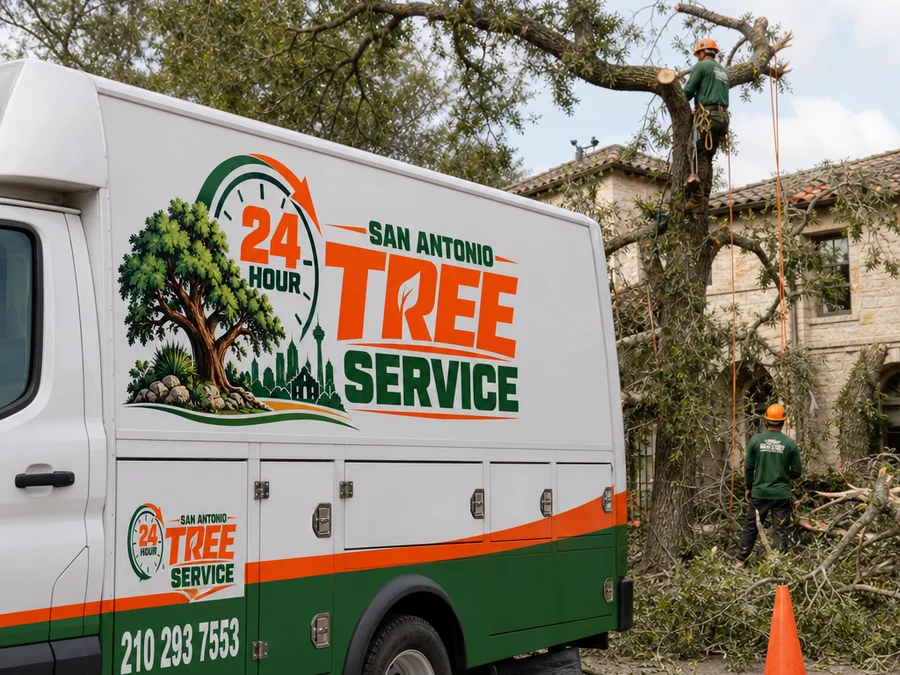
When tree removal is part of the clearing, many clients also want a dedicated plan for felling, rigging, and safe drop zones. That work can be coordinated as part of the same site visit so the clearing scope and the tree work do not conflict.
Clearing Matched to Your End Use
Cutting and removing brush, vines, and volunteer growth to open up the property and reduce fire and pest habitat. We can clear to a clean line while protecting trees and features you want to keep.
Removing saplings and small trees that block access or building plans. We focus on clean cuts and practical removal methods that match your end use, whether that is a driveway, pad, or open lot.
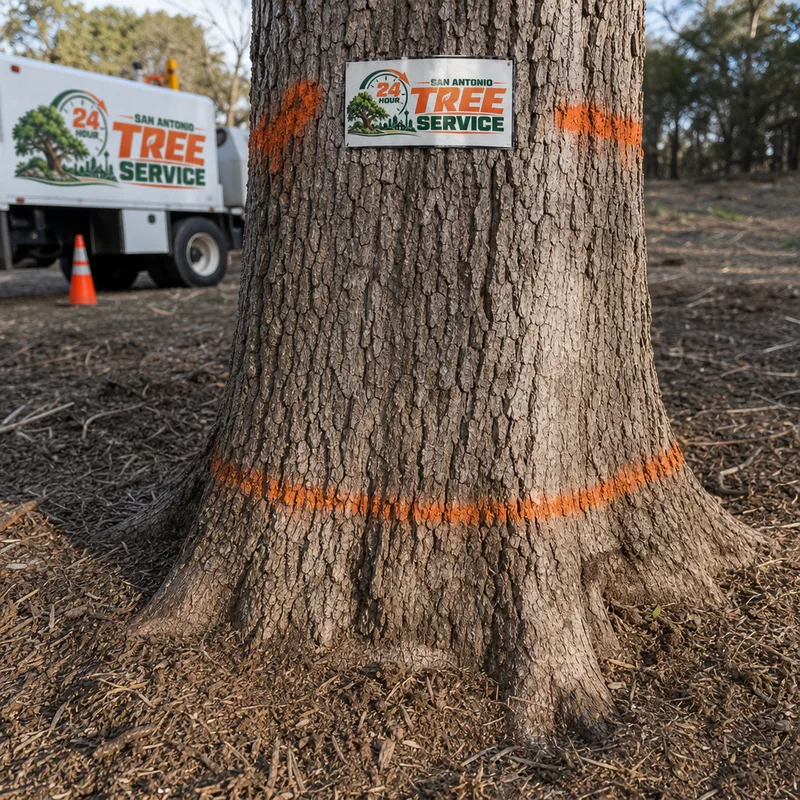
Flag what stays and what goes before we start. Selective land clearing preserves shade trees and screening where possible while still meeting visibility, access, or construction goals.
Stumps can be cut low, left for later, or addressed as part of the scope depending on grade needs and equipment access. We will tell you what to do now versus what can wait so you do not pay twice.
Clearing is not finished until the material is moved. We stack, load, and haul debris so the site is actually usable when we leave.
We plan gate width, turning radius, and staging for trucks and machines. Where conditions allow, we work to limit rutting and track marks, especially on smaller residential lots.
Boundaries, Access, and Debris Planning
A good land clearing plan starts with two decisions: what must be removed, and what must stay. During the site visit we walk the boundaries, discuss your end goal—build, sell, fence, or improve access—and mark obstacles like low lines, fences, septic components, irrigation, and tight gate openings.
Then we build the work plan around practical realities:
If your clearing includes larger or hazardous trees, the tree work has to be planned, not improvised. We set drop zones, identify targets such as fences, roofs, and lines, and choose the safest removal method. A dedicated removal approach can be coordinated under the same schedule so the full scope works together.
After the walkthrough, you get a clear written scope so everyone agrees on boundaries, what is included, and what the finished site should look like.
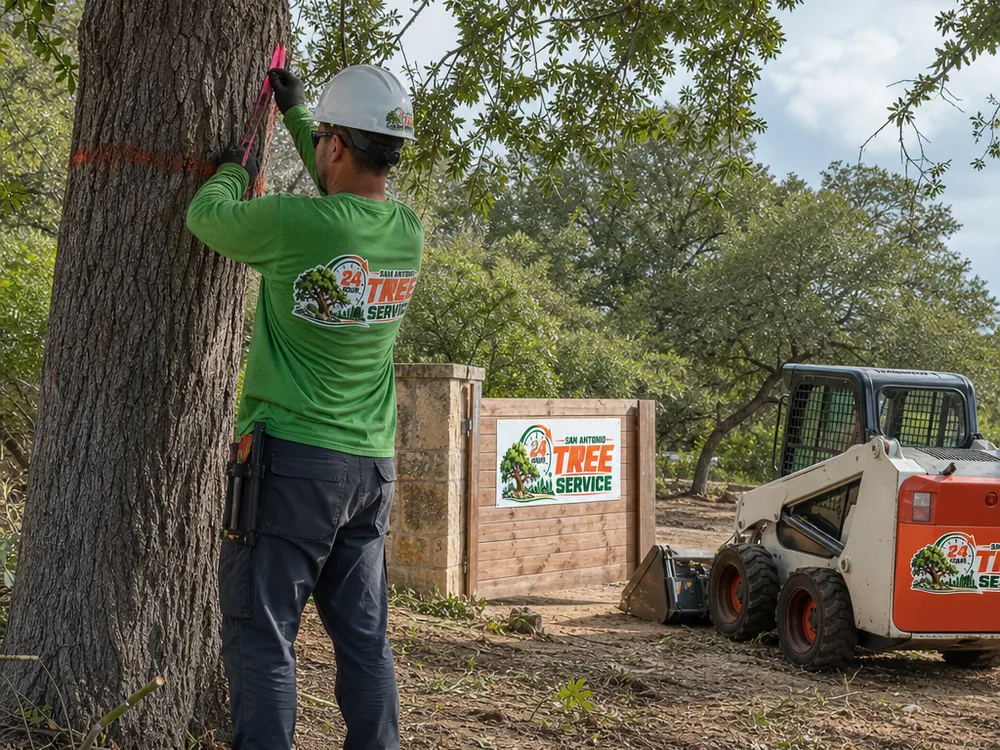
Walkthrough to Final Load-Out
The sequence keeps boundaries clear, machines moving safely, and debris under control from the first cut through the final walkthrough.
We confirm access points, gate widths, and where equipment and trucks can stage. We also confirm the clearing limits so the work stays on your property and on plan.
You get a scope that lists what is being removed, what is being protected, debris handling, and any constraints we need you to know about. Then we schedule based on crew and equipment availability.
We start by opening safe travel paths, then work through brush and trees in a sequence that keeps the site organized. Material is staged for loading as we go.
Brush, limbs, and logs are loaded and removed. If you want usable logs left on site, we can discuss that during the walkthrough so we plan staging correctly.
We confirm the clearing line, look for missed pockets of brush, and make sure the site condition matches the agreed scope before we wrap up.
Inspection-Based Pricing
Land clearing in San Antonio typically ranges from about $800 to $3,500+ for smaller residential lots with brush and light trees, while larger acreage or heavy tree work can run $4,000 to $15,000+ depending on density, access, and haul-off volume.
Your final price depends on the area to clear, thickness of brush, tree size and quantity, slope and ground conditions, equipment access such as gate width and turning space, how far debris must be carried or staged, and whether stumps need to be addressed now. Exact pricing is confirmed after an on-site walkthrough so the scope, access, and debris plan are clear.
Clear Boundaries, Usable Ground
Answers Before Equipment Arrives
Scheduling depends on crew and equipment availability, plus the size of the clearing and whether haul-off is included, but many smaller residential lots can be slotted in quickly once we complete a site visit. If you have a deadline for a survey, fence install, or construction start, mention it up front so we can plan the right crew and mobilization.
Most land clearing projects are set up with loading and haul-off included so the site is usable when the work is done. If you prefer to keep logs on site for firewood or milling, we can stage them neatly and haul the remaining brush and mixed debris.
Yes, selective clearing is common, and it starts with clearly marking keep-trees and the clearing line before any cutting begins. We also plan equipment travel paths so we are not repeatedly driving through root zones or scraping the base of trees you want to preserve.
We need clear direction on boundaries, what must stay, and what the finished condition should be, plus access through gates and any lock or code details. It also helps to point out irrigation, septic components, and any areas you know have buried lines so we can plan around them.
Any heavy equipment can mark soft ground, especially after rain, but we plan staging and travel paths to limit unnecessary passes. If the lot is small or access is tight, we may recommend compact equipment and a staged load-out approach to keep the work controlled.
Land clearing is broader and usually includes brush, saplings, and general vegetation removal across an area, while tree removal focuses on safely taking down specific trees and managing targets like roofs, fences, and lines. Many properties need both, and combining them under one scope prevents conflicts between clearing equipment and tree drop zones.
Plan Before the Machines Arrive
Tell us what you want the site to be ready for, and we will schedule a walkthrough to confirm access, boundaries, debris handling, and the safest approach for brush and tree removal.