A risk-first assessment
We look for deadwood, cracks, weak branch unions, canopy imbalance, and targets like roofs, play areas, and parking. If something is unsafe, we say so plainly and explain why.
Serving San Antonio, Texas & surrounding areas
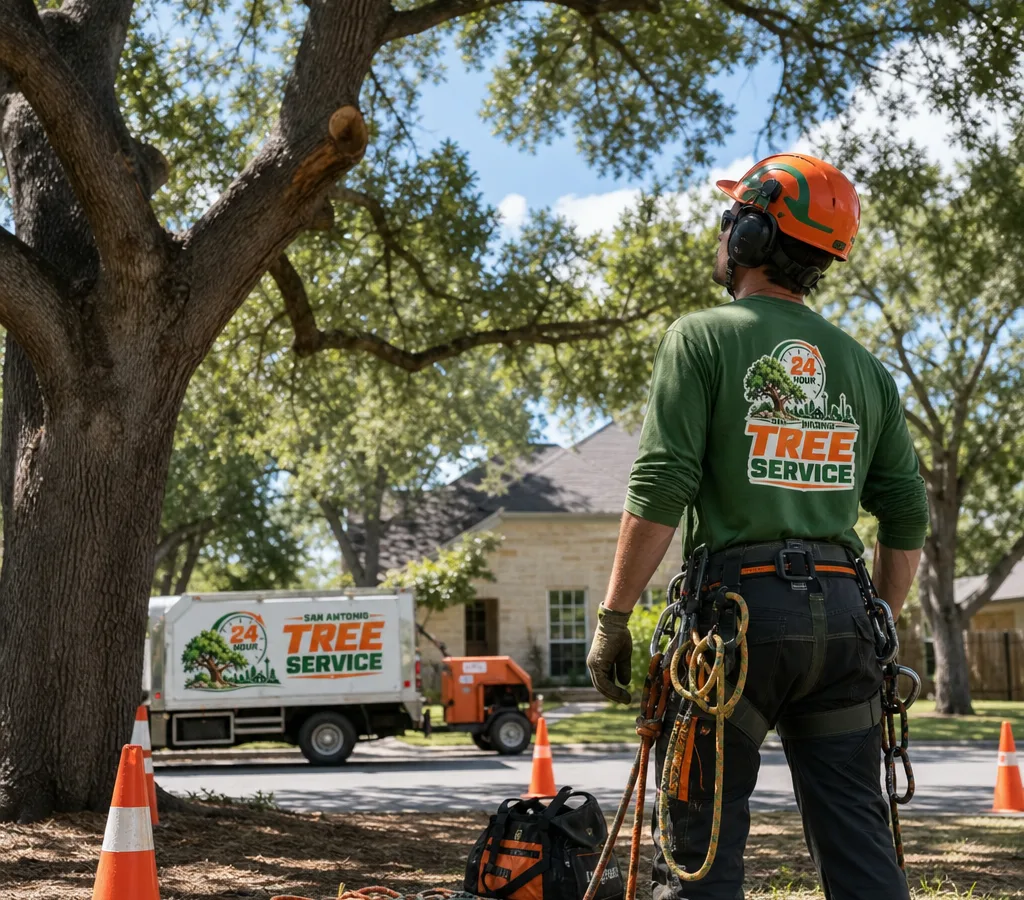
Arborist Service · San Antonio, Texas
Get practical guidance on tree risk, trimming, removals, and cleanup from a local team that plans the job before a saw ever starts.
✓On-Site Assessment
✓Risk-First Planning
✓Written Scope
✓Jobsite Cleanup
Assessment Before Action
If you are searching for an arborist in San Antonio TX, you usually want two things: a clear answer on what the tree needs, and a safe plan to get the work done without damaging your roof, fence, vehicles, or neighboring property.
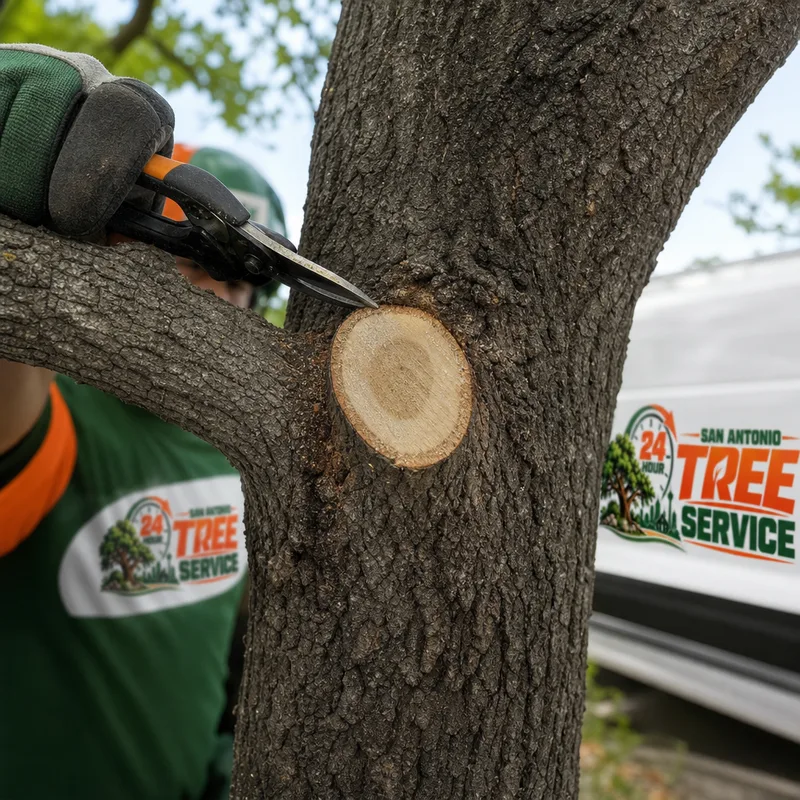
An arborist focuses on the health and structural safety of trees. That can include diagnosing stress or decline, identifying hazardous limbs, recommending pruning that supports long-term structure, and planning removals when a tree is beyond saving or is creating unacceptable risk.
In San Antonio, trees also take a beating from heat, periodic drought, and sudden storms. Those conditions can leave deadwood high in the canopy, weaken limb attachments, or create lean that was not there before. A qualified arborist looks for the root causes, not just what is obvious from the street, then explains what is urgent, what can wait, and what options you have.
24 Hour Tree Service San Antonio handles arborist work for homeowners, landlords, and commercial sites across the area. You will get a straightforward scope of work, practical scheduling, and jobsite cleanup that leaves your driveway and beds in good shape.
A Controlled, Clearly Defined Job
We look for deadwood, cracks, weak branch unions, canopy imbalance, and targets like roofs, play areas, and parking. If something is unsafe, we say so plainly and explain why.
Every property is different. We plan access, drop zones, rigging points, and where debris will go before work begins, especially when trees sit close to homes or along fence lines.
When conditions allow, we use mats and smart staging to limit rutting and scuffs, and we keep cut material organized so the work area stays controlled.
Brush, limbs, and wood are handled as part of the job. If you want firewood lengths or a specific wood placement, say so during scoping and we will build it into the plan.
You should know what is included: what is being cut, what is being removed, and what the cleanup level is. We write it out so expectations match the finished result.
Pruning, Risk Reduction, and Removal
Arborist work is broader than removals. Many jobs start with a safety concern, then turn into a combination of pruning, selective limb removal, and risk reduction.
Common reasons customers bring in an arborist include:
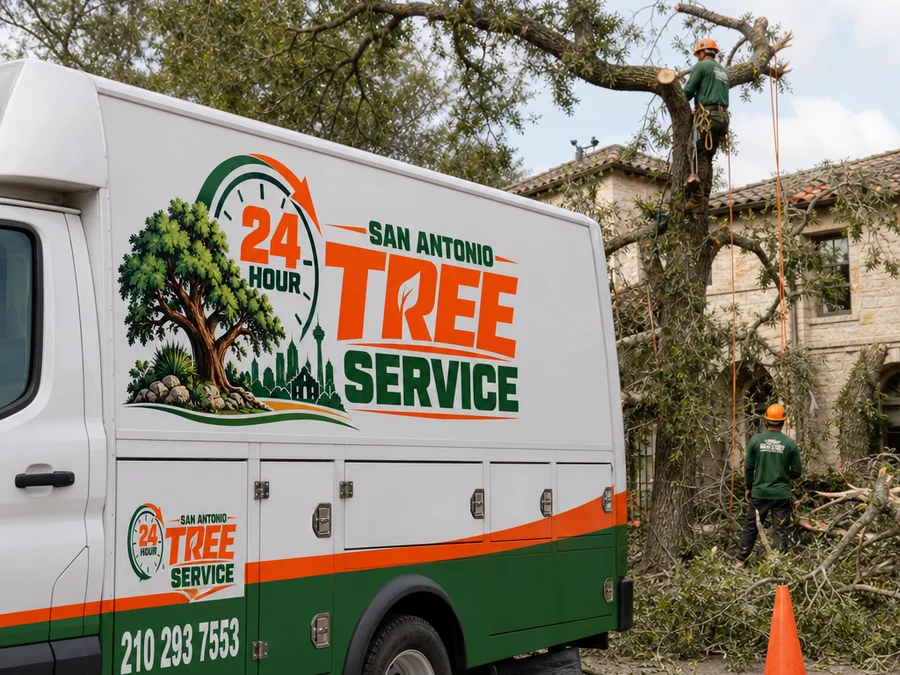
For properties with tight access, small backyards, or mature trees close to a house, we rely on controlled rigging, proper tie-in points, and piece-by-piece lowering. That is how removals stay predictable instead of turning into property damage.
If your immediate goal is to take a tree down, the scope typically overlaps with tree removal in San Antonio, but an arborist visit adds value by confirming the safest removal approach and pointing out other hazards you might not have noticed.
Assessment to Final Walk-Through
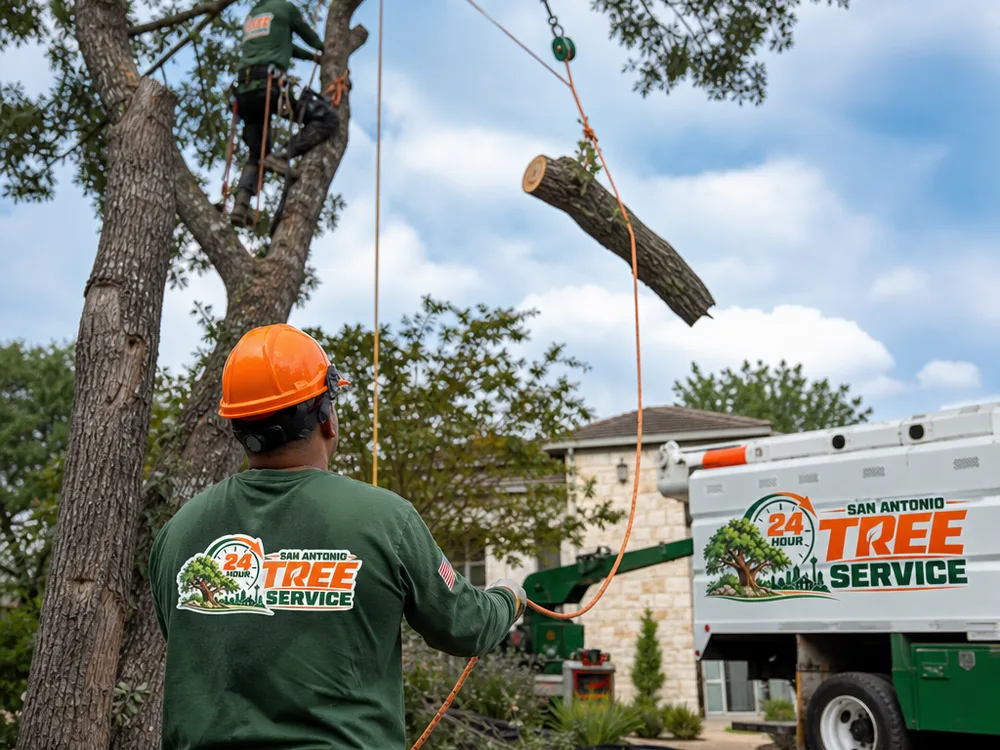
Each job moves from an informed assessment to property protection, controlled tree work, and complete cleanup.
We look at the canopy, trunk, and visible root flare, then talk through your priorities—safety, clearance, aesthetics, and future plans for the yard. You get a written scope that matches the work you want done.
Before cutting, we establish the work zone, set a drop area when possible, and choose the right method: free-drop, sectional dismantle, or rigging and lowering over obstacles.
Work is done with attention to cut placement, limb weight, and load paths. When lowering pieces, we control swing and descent to protect roofs, fences, and nearby plantings.
Brush and wood are consolidated and removed per the agreed scope. We do a quick walk-through at the end so you can confirm the result and ask about anything you are still watching on the property.
Inspection-Based Pricing
Most arborist visits and small pruning jobs in San Antonio typically range from about $150 to $600, while larger pruning or removals that require rigging and crew time often run $700 to $2,500+ depending on the tree.
Your price changes mainly with tree size and condition, how close it is to structures, access for crew and equipment, the amount of rigging needed, and how much debris hauling is included. The exact cost is confirmed after an on-site assessment and written scope.
Planning, Control, and Cleanup
Answers Before Tree Work Begins
A tree needs urgent attention when you see a split trunk, a large limb hanging or partially attached, fresh cracking sounds, sudden lean, or major canopy loss after a storm. In San Antonio wind events, broken hangers high in the canopy are a common hidden risk because they can fall days later. If anything is over a roof, driveway, or a neighbor's fence line, treat it as time-sensitive.
Yes, tight-access removals are typically done by sectional dismantling with rigging and controlled lowering instead of dropping whole limbs. The arborist plans tie-in points, swing paths, and landing zones so pieces come down in manageable sections. Site access, overhead obstacles, and the amount of lowering required are the main factors that decide the method.
The biggest cost drivers are tree size, proximity to structures, access for crew and equipment, and the level of cleanup and hauling you want. A simple prune with good access costs far less than a removal that requires rigging every piece over a roof or through a narrow gate. Decay, deadwood, or storm damage can also slow the work because it changes how safely the tree can be climbed and cut.
Debris handling is part of the scope, and you can choose full haul-off or keeping some material on-site. Many customers keep larger wood rounds for firewood or stacking, while having brush and smaller limbs removed. The key is deciding this during the estimate so the crew plans the right truck space and time on site.
Scheduling depends on how widespread the storm impact is and how hazardous the situation is on your property. Jobs with limbs on structures, blocked driveways, or hanging hazards are typically prioritized because they create immediate risk. Sharing photos up front can help us triage, but the final plan and price still rely on an on-site look.
Start With an On-Site Assessment
Tell us what you are seeing and what you want the outcome to be. We will schedule an on-site assessment, explain the safest options, and provide a written scope with clear pricing for the work.